
Becoming a Child Again: The Healing Power of Play in Adulthood
When was the last time you laughed so hard your stomach hurt? When was the last time you built something just because it was fun, danced in your kitchen without worrying who was watching, or spent time outside simply noticing the clouds?
For many adults, those moments become increasingly rare. Responsibilities grow, schedules fill, and somewhere along the way, play starts to feel like something we "grow out of." Productivity often takes center stage, while curiosity, imagination, and joy quietly move to the background.
But what if reconnecting with your childlike self isn't immature at all? What if it's actually an important part of healing?
Being childlike is different from being childish. Childishness often refers to avoiding responsibility or reacting impulsively. Being childlike, however, means approaching life with openness, wonder, creativity, and the willingness to experience joy without needing to earn it. It's the part of you that once explored, imagined, experimented, and found delight in simple moments.
Many of us learned, either directly or indirectly, that growing up meant becoming serious. We may have received messages that fun should come after the work is finished, that resting is lazy, or that our worth depends on what we accomplish. Over time, these beliefs can leave us feeling disconnected from ourselves. We become experts at surviving while forgetting how to simply enjoy being alive.
Play offers something profoundly different. It gently reminds our nervous system that not every moment requires vigilance or performance. When we engage in activities that spark curiosity or creativity, we often become more present. Our minds slow down. Our bodies relax. We reconnect with parts of ourselves that may have been neglected for years.
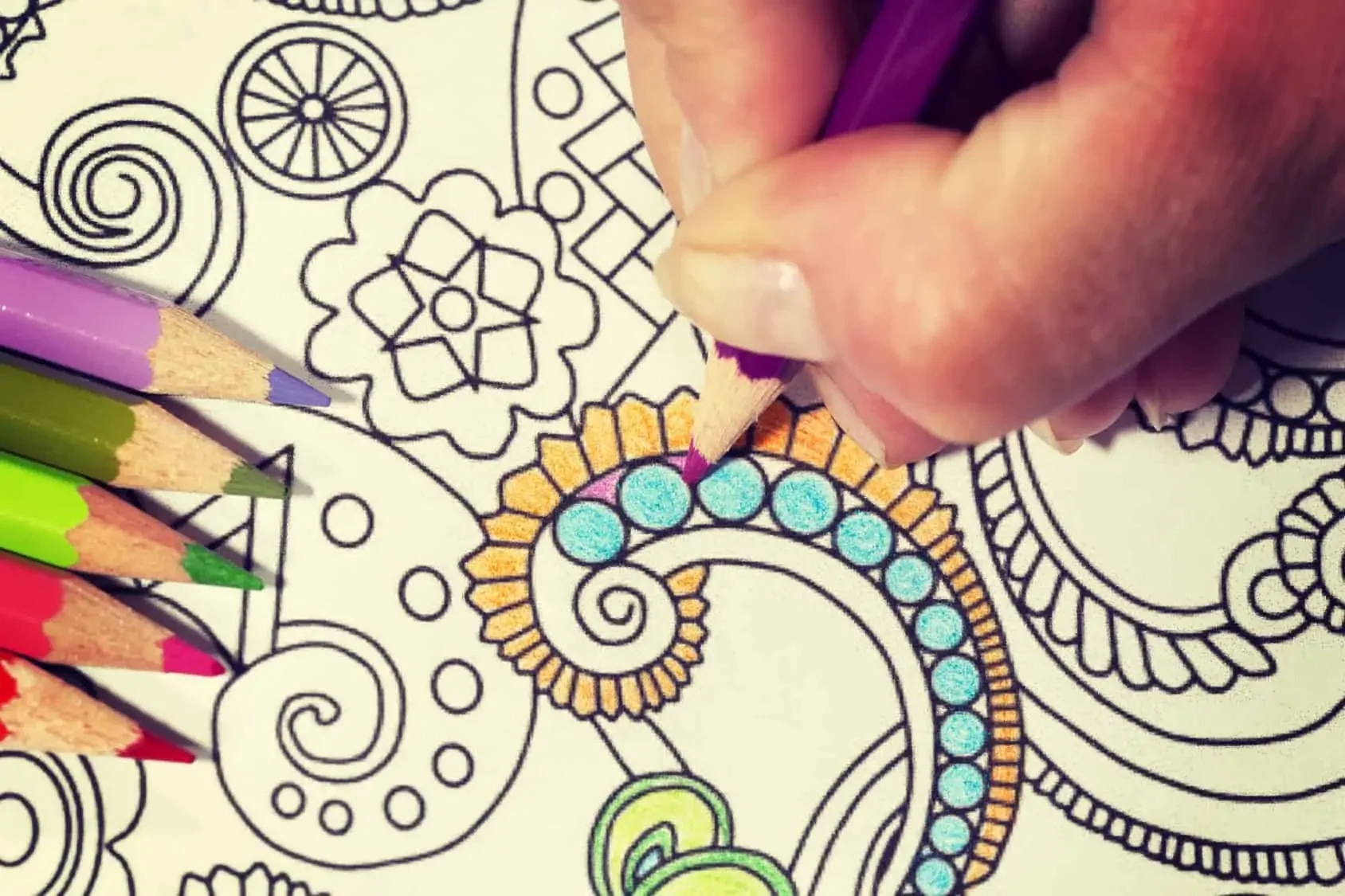
This doesn't mean you need to revisit your childhood exactly as it was. Reclaiming childlike play looks different for everyone. It might mean coloring without worrying about making something beautiful. It might mean jumping in puddles with your kids, building a Lego set, trying a dance class, flying a kite, playing board games with friends, gardening, making up stories, exploring a museum, or simply swinging at a park. The activity itself matters less than the feeling it creates.
Play also has a unique way of softening perfectionism. Children rarely begin a game expecting to master it. They play because they're curious. They make mistakes, laugh, adjust, and keep going. As adults, we often approach new experiences with an expectation to perform well immediately. Giving yourself permission to be a beginner can be incredibly freeing. It creates space for self-compassion instead of self-criticism.
For those who experienced difficult or painful childhoods, the idea of reconnecting with your inner child may feel complicated. You may not have many carefree memories to revisit. That's okay. Reclaiming childlike play isn't about pretending your past didn't happen. It's about offering yourself experiences in the present that you may not have had enough of growing up. It can become a way of nurturing yourself with safety, creativity, delight, and freedom.
Healing isn't always found in deep conversations or difficult emotions. Sometimes it appears in laughter. Sometimes it shows up while painting with your fingers, chasing your dog around the backyard, or singing loudly during a drive home. These seemingly ordinary moments remind us that we are more than our stress, our responsibilities, or our struggles.
If you're finding it difficult to make room for joy, you are not alone. Many adults have forgotten what play even feels like because life has required them to focus on survival for so long. Reconnecting with your playful side is not about escaping reality. It's about expanding it. It's about remembering that alongside the hard parts of life, there is still room for curiosity, connection, and delight.
In counseling, we often explore not only what has hurt us but also what helps us come alive. Healing isn't solely about reducing symptoms. It's also about creating a life that feels meaningful, connected, and joyful. Sometimes that journey begins with something surprisingly simple: giving yourself permission to play again.
You don't have to earn joy. You don't have to finish every task before allowing yourself to experience wonder. The child within you never disappeared. They may simply be waiting for an invitation to come out and play.
