
Breaking Intergenerational Patterns: Healing What Was Never Yours to Carry
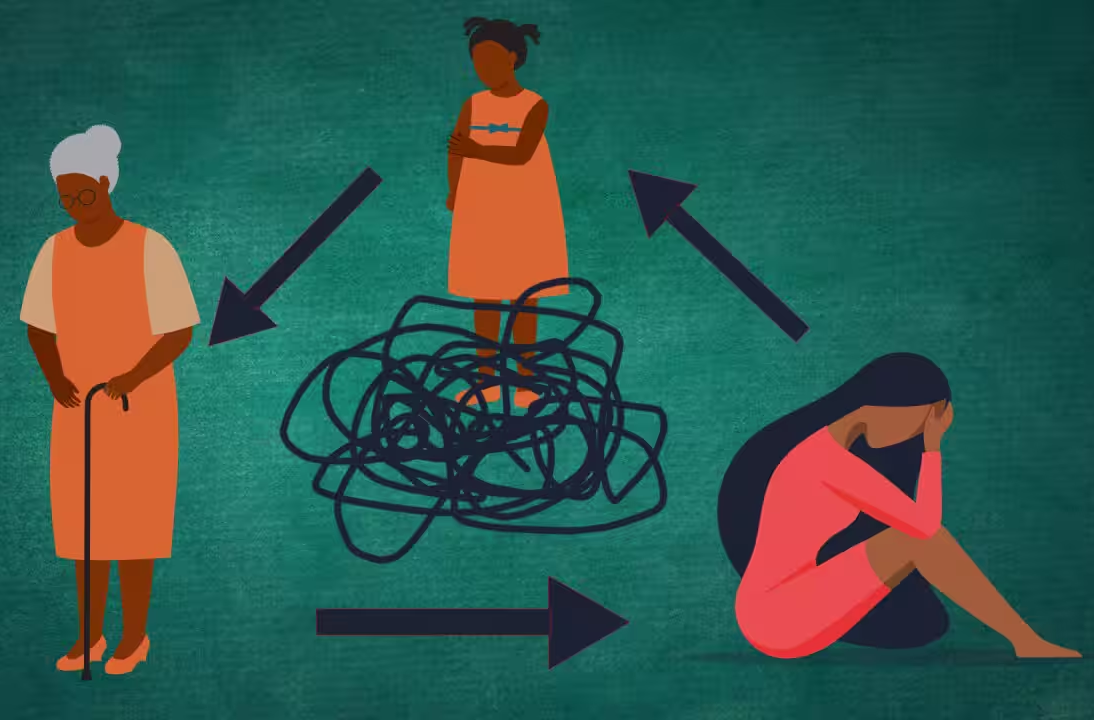
Many of us move through life carrying more than just our own experiences. We inherit ways of coping, relating, and understanding the world from the generations before us, sometimes in ways that are nurturing and supportive, and other times in ways that feel limiting, painful, or confusing. These inherited patterns are often referred to as “intergenerational cycles” or “family patterns,” and while they can feel deeply ingrained, they are not unchangeable.
In a counseling space grounded in warmth and steadiness, these patterns can be explored with care rather than blame. The goal is not to criticize the past or assign fault, but to understand what has been passed down and to decide, with intention, what you want to carry forward.
Understanding Intergenerational Patterns
Family patterns often develop as adaptations to stress, trauma, or survival needs. For example, emotional avoidance may have once protected a previous generation from overwhelming circumstances. Over time, however, that same pattern might lead to disconnection or difficulty expressing feelings in the present.
It’s important to recognize that these patterns were not created in a vacuum. They were shaped by context - cultural expectations, historical events, and personal hardships. When we begin to see this clearly, something shifts. Instead of viewing these patterns as personal flaws, we can understand them as learned responses that made sense at one time.
Why Breaking the Cycle Can Feel So Difficult
Even when a pattern no longer serves you, it can feel familiar and, in some ways, safe. Choosing to respond differently may bring up discomfort, guilt, or even a sense of disloyalty to family traditions. You might notice thoughts like, “This is just how my family is,” or “Who am I to do things differently?”
These feelings are a natural part of the process. Change doesn’t just happen at the level of behavior—it touches identity, belonging, and connection. That’s why approaching this work with patience and compassion is so important.
What It Means to Break a Pattern
Breaking an intergenerational pattern doesn’t mean rejecting your family or your history. It means becoming more aware of the patterns at play and choosing, moment by moment, how you want to respond. It is less about dramatic change and more about consistent, intentional shifts.
This might look like:
Naming and expressing emotions that were once left unspoken
Setting boundaries where there were none
Choosing self-compassion over self-criticism
Building relationships rooted in openness and respect
Each small step creates space for something new.
The Role of a Warm, Supportive Presence
In therapy, clients are offered a space where they don’t have to navigate this process alone. A calm and compassionate presence can help you slow down, notice your reactions, and understand the deeper layers beneath them.
Rather than rushing to “fix” anything, therapy allows you to explore questions like:
What patterns have I noticed in my family?
How have these patterns shaped me?
What feels aligned with who I want to be, and what doesn’t?
Over time, this kind of reflection can transform inherited patterns into opportunities for growth and healing.
A Gentle Reminder: You Are Allowed to Choose Differently
There is strength in recognizing that you have choices, even if those choices feel unfamiliar at first. You are not required to continue patterns that cause harm, even if they have been present for generations. At the same time, you are allowed to move at your own pace. Change does not need to be rushed to be meaningful.
Breaking intergenerational patterns is not about becoming a completely different person, it is about becoming more fully yourself.
Journaling Prompt for Reflection
Set aside a few quiet moments and reflect on the following:
Think of a pattern in your family that you feel ready to understand or shift. What does this pattern look like in your daily life? When did you first notice it? How might this pattern have been helpful or protective in the past? And gently, without pressure, what would it look like to respond differently in one small way?
You may want to write freely, without editing or judging your thoughts. Let your responses unfold naturally. There is no “right” answer, only your experience.
Healing intergenerational patterns is deeply meaningful work. It often requires courage, curiosity, and support. But within that process, there is also the possibility of something powerful: creating new ways of relating, both to yourself and to others, that feel more aligned, more intentional, and more compassionate.
And in doing so, you are not only changing your own experience—you may also be shaping a different path for those who come after you.
