
Social Media and Mental Health in Today’s World
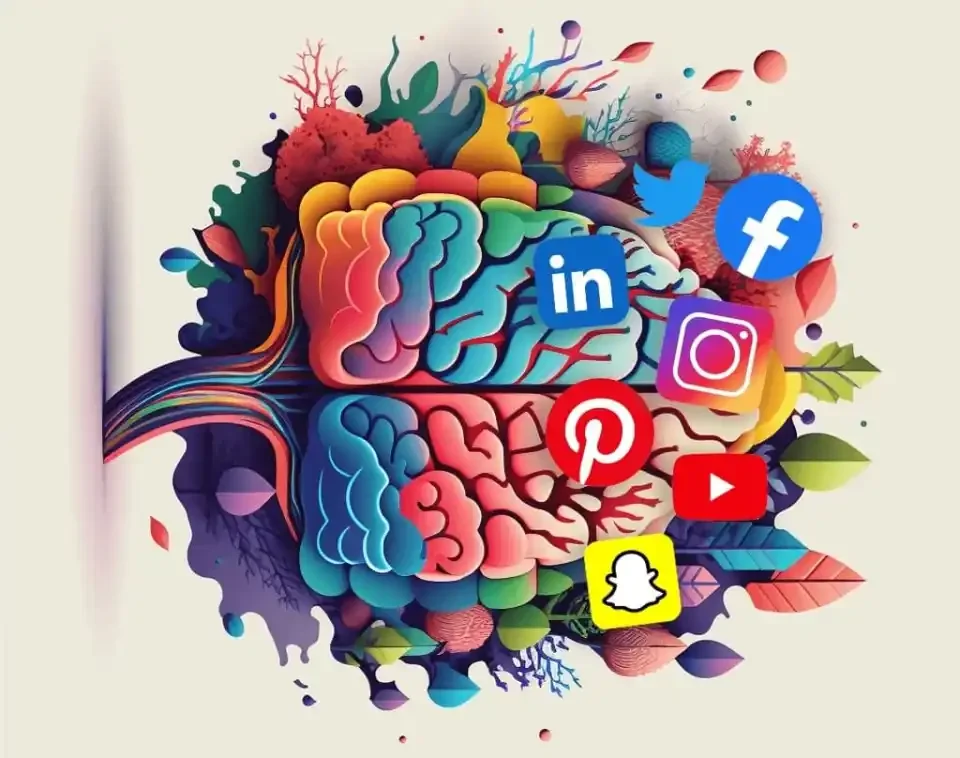
Social media has become woven into the fabric of daily life. It influences the way people communicate, build relationships, gather information, express emotions, and understand themselves. For many individuals, social media offers meaningful opportunities for connection and support. At the same time, it can also contribute to emotional exhaustion, anxiety, loneliness, and self-doubt. In today’s fast-moving digital world, mental health is often shaped by the ways people interact online, making it important to understand both the benefits and the challenges social media can bring.
One of the most positive aspects of social media is its ability to help people feel less alone. Individuals who may struggle with isolation, grief, depression, anxiety, or life transitions can find communities where they feel understood and supported. Social media has created spaces where people can openly discuss mental health in ways that were once considered taboo. Conversations about therapy, emotional wellness, trauma recovery, and self-care are more visible than ever before. This increased awareness has encouraged many people to seek help, learn coping skills, and recognize that they are not alone in their experiences.
Social media can also strengthen mental health by helping people maintain relationships and stay connected across distance and time. Families, friends, and support systems can remain involved in each other’s lives even when separated geographically. During periods of stress or uncertainty, these connections can provide reassurance and comfort. Many people also use online platforms to engage in creativity, advocacy, education, and inspiration, all of which can contribute to a stronger sense of identity and purpose.
At the same time, the constant presence of social media can place significant strain on emotional well-being. One of the most common challenges is comparison. People are often exposed to carefully edited snapshots of others’ lives that highlight success, beauty, achievement, or happiness while hiding struggles and imperfections. Over time, this can create unrealistic expectations and lead individuals to question their own worth, appearance, relationships, or accomplishments. Feelings of inadequacy can grow when people begin measuring their real lives against someone else’s curated image.
Social media can also contribute to anxiety and emotional overwhelm through constant exposure to information. News updates, global crises, political conflict, violence, and social tension are often available around the clock. While staying informed can be valuable, continuous exposure to distressing content can increase stress, fear, and emotional fatigue. Many individuals find themselves carrying a sense of mental exhaustion after endlessly scrolling through upsetting headlines or emotionally charged discussions.
Another concern is the pressure to remain constantly available and engaged online. Notifications, messages, and expectations for immediate responses can make it difficult for individuals to mentally disconnect and rest. Many people experience disrupted sleep, reduced attention span, and difficulty being fully present in their offline lives because of the constant pull of digital interaction. For adolescents and young adults especially, social media can intensify concerns about acceptance, popularity, and belonging during already vulnerable stages of emotional development.
Cyberbullying and online criticism also continue to affect mental health in serious ways. Hurtful comments, exclusion, harassment, or public shaming can deeply impact self-esteem and emotional safety. Unlike traditional forms of conflict, online negativity can follow a person everywhere, making it difficult to escape or recover emotionally. Even passive exposure to hostility online can increase feelings of tension and emotional distress.
Despite these challenges, social media itself is not inherently harmful or beneficial. Its impact often depends on how it is used, how much time is spent online, and how individuals care for their mental and emotional boundaries. Developing healthier digital habits can make a meaningful difference. Taking breaks from social media, limiting exposure to harmful content, curating supportive online environments, and prioritizing face-to-face relationships can help create a more balanced relationship with technology.
Mental health also improves when people become more intentional about what they consume online. Following accounts that encourage authenticity, education, encouragement, and emotional wellness can create a more positive digital experience. Practicing mindfulness around social media use can help individuals recognize when online activity is beginning to negatively affect mood, confidence, or emotional energy.
In today’s world, social media will likely continue to play a central role in everyday life. It has the power to connect, educate, encourage, and support, but it also has the potential to overwhelm and emotionally drain individuals when boundaries are not maintained. Recognizing both sides of this reality allows people to approach social media with greater awareness and balance. Mental health is strengthened not by avoiding technology completely, but by learning how to engage with it in ways that protect emotional well-being, encourage genuine connection, and support a healthier sense of self.
It is all about the balance and making choices around our priorities.
