
Relearning the Way You See Yourself: A Relational Approach to Body Image and Self-Acceptance
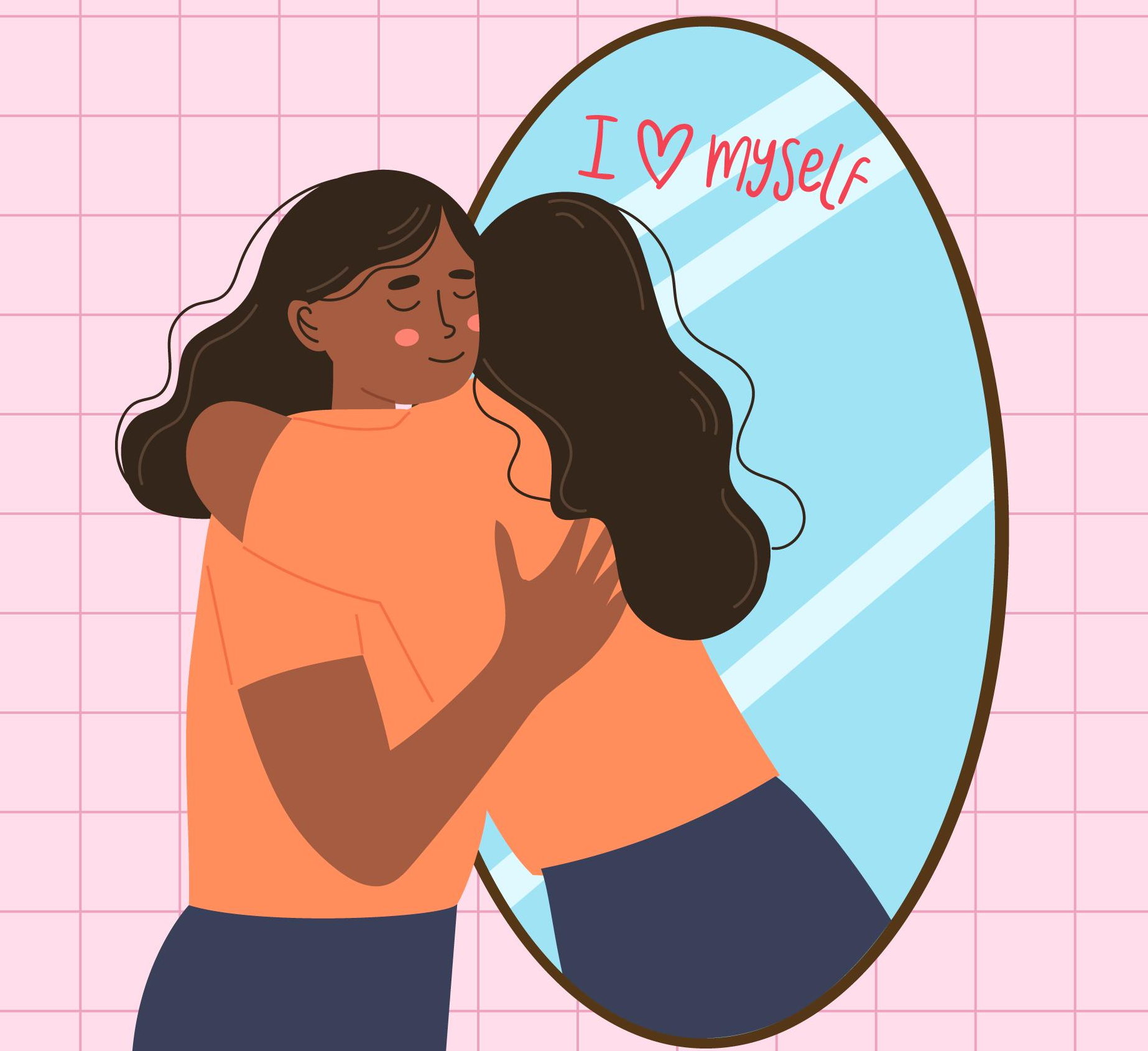
When people talk about body image, it’s often framed as a personal issue - something happening inside your own mind. Your thoughts, your habits, your reflection in the mirror.
But the truth is, most of us didn’t come up with these beliefs on our own.
The way you see your body has likely been shaped over time - through comments, relationships, cultural messages, and moments where you felt seen… or unseen. So if body image is formed in relationship, it makes sense that healing it isn’t something you have to do by yourself.
Where These Beliefs Come From
If you have a harsh or critical inner voice about your body, there’s usually a story behind it.
Maybe it sounds like something you heard growing up.
Maybe it showed up after being compared to others, or feeling judged or rejected.
Maybe it’s been reinforced over time by the pressure to look a certain way.
Whatever the source, those messages can start to feel like facts: “Something is wrong with me.”, “I need to change to be accepted.”, “My worth depends on how I look.”
But these beliefs were learned - and that means they can be understood, softened, and, over time, changed.
What a Relational Approach Offers
In relational therapy, the focus isn’t just on “fixing” thoughts or behaviors. It’s about experiencing something different in relationship.
That might look like talking about your body without being judged or corrected, having your experiences taken seriously, or going at a pace that actually feels manageable for you.
It may sound simple, but being met with consistency and care (especially around something as vulnerable as body image) can be deeply impactful.
Over time, that experience can start to shift how you relate to yourself.
From Fighting Your Body to Listening to It
A lot of people come into therapy feeling like their body is the problem. Something to control, manage, or improve.
But what if the goal isn’t control?
A relational approach gently invites a different question: what happens if you start listening instead?
Your body isn’t just how it looks - it’s where your feelings, stress, needs, and experiences live. And for many people, that connection has been ignored or pushed aside for a long time.
Rebuilding it can start small, like noticing when you’re tense or tired, recognizing hunger or fullness without judgment, or pausing to ask, “What do I need right now?”
It’s less about doing it “right” and more about becoming curious.
What Self-Acceptance Actually Means
Self-acceptance can feel like a big, distant goal - especially if you’ve spent years feeling at odds with your body.
But it doesn’t mean loving everything all the time.
Often, it looks more like speaking to yourself a little more gently, catching the critical voice without fully buying into it, and letting your body be part of your life instead of the thing that defines it
It’s a gradual shift, not a sudden transformation.
You Don’t Have to Figure This Out Alone
If your relationship with your body has been shaped in connection with others, it makes sense that it can be healed in connection too.
Therapy offers a space to explore all of this with someone who isn’t trying to judge, fix, or rush you - but who’s there to understand and support you as you figure out what a more compassionate relationship with yourself could look like.
You don’t have to have it all sorted out to begin. You just have to start somewhere.
