
Self-Care Assessment: Understanding and Meeting Your Own Needs
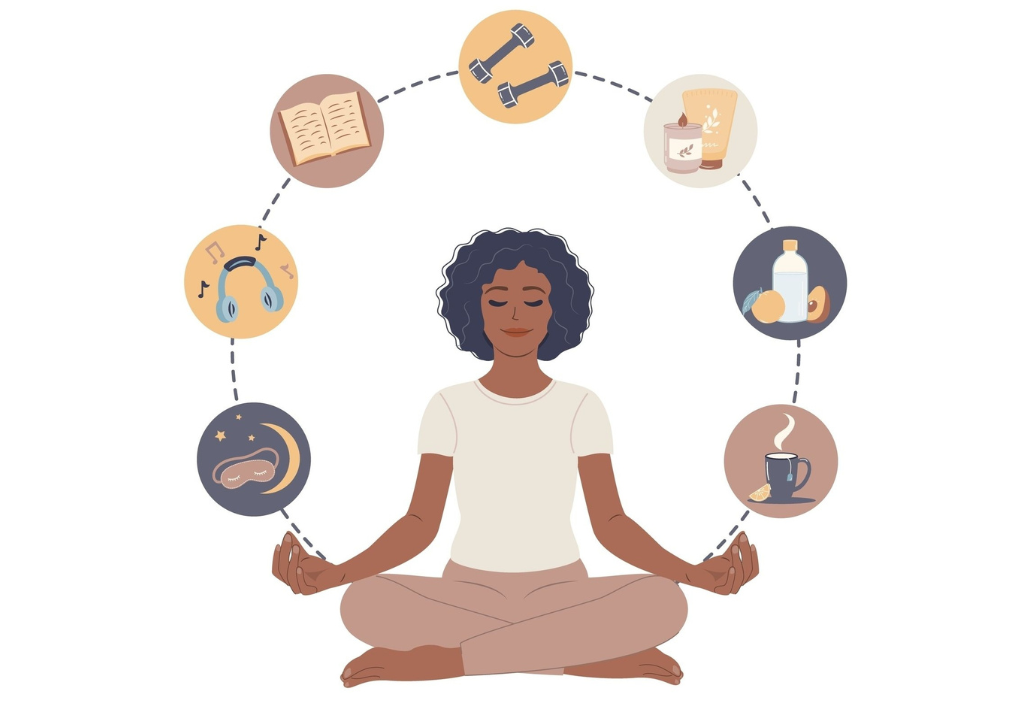
Especially this time of year, it’s easy to get caught up in taking care of everyone but ourselves. Self-care isn’t selfish—it’s essential. It’s about tuning into your needs, nurturing your well-being, and maintaining balance in every area of your life.
What Is Self-Care?
Self-care is the intentional practice of taking action to preserve or improve your physical, mental, and emotional health. It involves recognizing your needs and taking proactive steps to meet them—whether that means resting when you’re tired, setting boundaries, seeking support, or engaging in activities that bring you peace and joy.
Self-care is both a mindset and a practice: it’s about treating yourself with the same care and compassion you’d offer someone you love.
A great way to start is with a self-care assessment, which helps you evaluate how well you’re meeting your needs across different categories of self-care.
Categories of Self-Care
Emotional Self-Care
Purpose: To help you process emotions in healthy ways and build emotional resilience.
Ask yourself:
Do I allow myself to express my feelings freely?
How do I cope when I feel stressed, sad, or angry?
Examples:
Journaling or creative expression
Talking to a therapist or trusted friend
Practicing self-compassion
Taking time to rest, cry, or recharge
Physical Self-Care
Purpose: To nurture your body so it can support your overall health and energy.
Ask yourself:
Am I fueling my body with what it needs?
Am I giving my body enough rest and movement?
Examples:
Eating balanced meals
Engaging in exercise or gentle movement
Prioritizing sleep and rest
Staying hydrated
Mental (Intellectual) Self-Care
Purpose: To keep your mind active, curious, and stimulated.
Ask yourself:
Am I learning new things and challenging my thinking?
Do I create space for creativity or problem-solving?
Examples:
Reading or listening to educational podcasts
Learning a new skill or hobby
Journaling your thoughts
Practicing mindfulness or meditation
Spiritual Self-Care
Purpose: To connect with your sense of meaning, purpose, and peace.
Ask yourself:
What grounds or centers me when life feels chaotic?
Do I take time to reflect on my values or purpose?
Examples:
Meditation, prayer, or reflection
Gratitude journaling
Spending time in nature
Connecting with a spiritual or faith community
Social/ Connection based Self-Care
Purpose: To build and maintain relationships that support your well-being.
Ask yourself:
Do I feel supported and connected to others?
Am I maintaining relationships that uplift me?
Examples:
Spending quality time with friends or family
Setting healthy boundaries
Reaching out for help or connection
Joining social or community activities
Practical Self-Care
Purpose: To reduce stress by managing everyday responsibilities and creating stability.
Ask yourself:
Do I feel organized and in control of my daily life?
Are there tasks I’ve been avoiding that cause stress?
Examples:
Paying bills and managing finances
Keeping up with household chores
Planning meals or weekly routines
Setting goals and staying organized
Self-Care Assessment Checklist
Use this quick reflection tool to check in with yourself.
Rate each statement from 1 (Rarely true) to 5 (Always true).
Category Reflection Statement Rating (1–5)
Emotional I express my emotions in healthy ways.I make time to reflect on my feelings.
Physical I get enough sleep and rest.I eat nutritious foods and stay hydrated.
Mental I engage in activities that challenge my mind.I limit negative media or thought patterns.
Spiritual I feel connected to my values or purpose.I take time for quiet, reflection, or gratitude.
Social I have supportive relationships.I spend time with people who uplift me.
Practical I manage my responsibilities effectively.My environment feels organized and calm.
Score Reflection:
24–30: You’re maintaining strong self-care habits—keep it up!
16–23: You’re doing well but may need more balance in one or two areas.
15 or below: You may be feeling stretched thin—choose one category to focus on improving this week.
Moving Forward
Self-care isn’t about perfection—it’s about awareness and intention.
Start small: pick one category that needs attention and add a simple, supportive habit. Over time, these small acts create lasting change.
Remember: You are your own best investment. Taking care of yourself allows you to live—and love—from a place of fullness.
