
Value-Based Goals: A Healthier Alternative to Resolutions
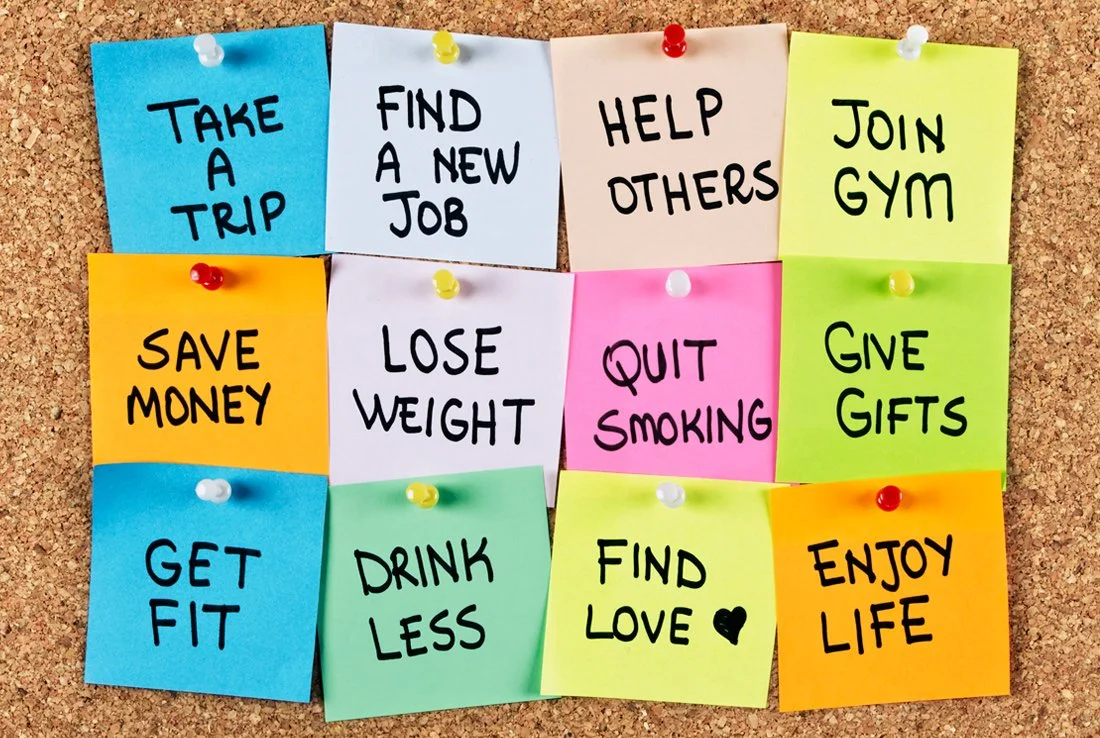
Every January, many people feel pressure to reinvent themselves. New Year’s resolutions promise quick change—be more disciplined, lose weight, stop procrastinating, finally get it together. Yet by February, motivation often fades, and what’s left can be guilt, shame, or the sense that we’ve failed again.
From a mental health perspective, there’s a gentler—and often more effective—approach: value-based goals.
Why Traditional Resolutions Often Don’t Stick
Resolutions usually focus on outcomes (“I will exercise every day”) or avoidance (“I will stop being anxious”). They tend to be:
All-or-nothing
Driven by pressure or comparison
Focused on fixing what’s “wrong”
When life gets busy or emotions fluctuate—as they naturally do—rigid resolutions can feel impossible to maintain. Missing a day becomes “I failed,” rather than “I’m human.”
This cycle can increase stress, lower self-trust, and make change feel unsafe instead of supportive.
What Are Value-Based Goals?
Values are the qualities that matter most to you—how you want to show up in your life, regardless of circumstances. Examples include:
Compassion
Growth
Connection
Balance
Honesty
Stability
Creativity
Value-based goals focus on direction, not perfection. Instead of asking, “What should I accomplish?” they ask:
“What kind of person do I want to be?”
Goals then become flexible ways to live out those values.
Values vs. Goals: What’s the Difference?
Think of it this way:
Values are the compass.
Goals are the steps you take in that direction.
You can succeed at living your values even when goals change, pause, or need adjusting. That’s why value-based goals tend to feel more sustainable and less self-punishing.
Example:
Resolution: “I will never miss a workout.”
Value: “I value caring for my body.”
Values-based goal: “I’ll move my body in ways that feel supportive, a few times a week.”
If you miss a week? You haven’t failed—you’re still aligned with your value.
How Value-Based Goals Support Mental Health
Value-based goals:
Reduce shame and self-criticism
Allow for flexibility during hard seasons
Encourage self-compassion
Support intrinsic motivation (not pressure)
Work alongside anxiety, depression, or stress—not against them
They acknowledge that mental health is not linear and that progress can look different from day to day.
How to Identify Your Core Values
If you’re unsure where to start, try these reflections:
When do I feel most like myself?
What qualities do I admire in others?
What do I want people to feel when they’re around me?
During hard times, what do I want to return to?
You don’t need a long list. Three to five values is often plenty.
Turning Values Into Gentle, Supportive Goals
Once you identify a value, ask:
“What’s one small way I could live this value in my current life?”
Here are a few examples:
Value: Connection
Goal: Reach out to one person each week in a way that feels manageable.Value: Balance
Goal: Build a daily pause into my routine—even if it’s just five minutes.Value: Growth
Goal: Reflect monthly on what I’m learning about myself, not just what I’m achieving.Value: Compassion
Goal: Notice and soften self-talk when I make mistakes.
These goals are adaptable. They can grow, shrink, or change with your needs.
When Motivation Is Low (And It Will Be Sometimes)
Value-based goals don’t require constant motivation. On low-energy days, the question becomes:
“What would honoring this value look like today—at 10% instead of 100%?”
This mindset supports consistency without burnout.
A Permission Slip for the New Year
You don’t need to overhaul your life to move forward.
You don’t need to be stricter, tougher, or more productive to be worthy of growth.
You don’t need to rush.
Choosing value-based goals is choosing a relationship with yourself built on respect, flexibility, and care.
If this year is about anything, let it be about alignment—not pressure.
If you’re exploring your values or noticing patterns that feel hard to shift alone, working with a mental health counselor can be a supportive next step. Therapy can help clarify what matters most and how to live in a way that supports your well-being—one choice at a time.
