
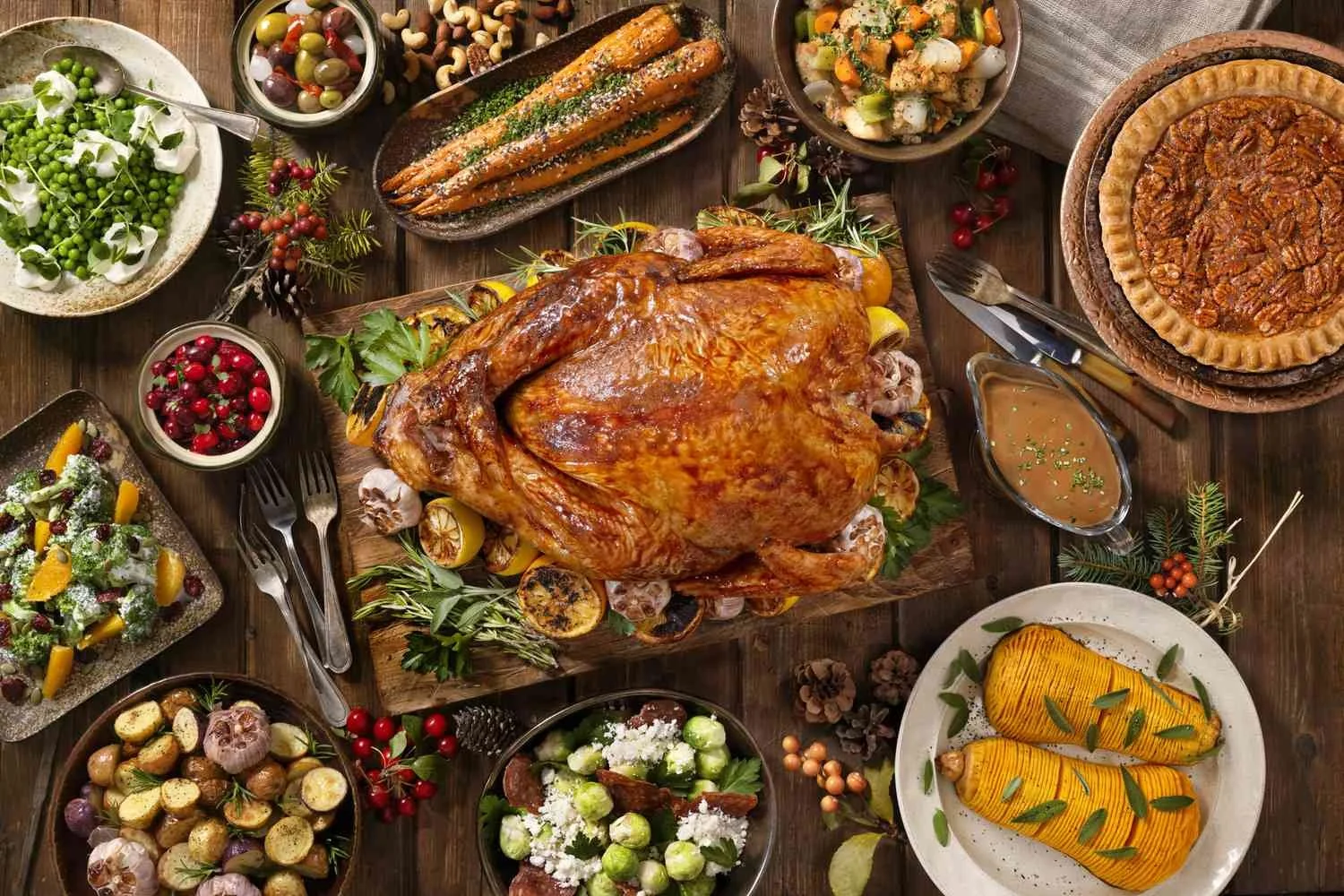
As Thanksgiving approaches, conversations about food seem to be everywhere. From planning the perfect holiday meal to discussing what we should or shouldn't eat, food can quickly become more than just nourishment. It can bring up feelings of guilt, anxiety, pressure, and even shame.
For many people, the holidays can be especially challenging when it comes to their relationship with food. Family traditions, comments about eating habits or body size, diet culture, and expectations surrounding holiday meals can make it difficult to simply enjoy the experience.
One helpful approach to navigating these feelings is food neutrality.
What Does It Mean to Have a Neutral Relationship with Food?
Food neutrality means moving away from labeling foods as "good" or "bad," "healthy" or "unhealthy," or something we need to earn or compensate for. Instead, food is viewed as food. Different foods serve different purposes, offer different experiences, and meet different needs. Some foods provide nourishment, some bring comfort, some connect us to meaningful memories and traditions, and some simply taste good. All of these reasons for eating are valid.
Food neutrality also recognizes that eating is not a moral decision. Choosing a piece of pumpkin pie does not make you less disciplined, just as choosing a salad does not make you a better person. Your worth is not determined by what you eat.
Developing a more neutral relationship with food can help reduce the guilt, shame, and anxiety that often accompany eating.
Why Can Thanksgiving Be So Challenging?
Thanksgiving is often centered around food, family, and tradition. While this can be a wonderful source of connection, it can also create unique challenges for those navigating a difficult relationship with food or their bodies.
Family gatherings sometimes bring unsolicited comments about how much someone is eating, discussions about dieting or weight loss, or pressure to eat certain foods and avoid others. Social expectations can also create anxiety about eating outside of our usual routines or enjoying foods that may have previously been labeled as off-limits.
For some, the enjoyment of a holiday meal may be followed by feelings of guilt or the urge to compensate through restriction or exercise. These experiences can make it difficult to stay present and enjoy time with loved ones.
It's important to remember that you do not have to approach Thanksgiving with a set of food rules. You are allowed to enjoy the foods that are meaningful to you without feeling the need to justify your choices.
Giving Yourself Permission to Enjoy Food
One way to practice food neutrality this Thanksgiving is to begin noticing the language you use when talking about food. We often assign moral value to what we eat without even realizing it. We may describe dessert as a "cheat," refer to certain foods as "bad," or feel that we need to earn the right to enjoy something through exercise or restriction.
These beliefs are often reinforced by diet culture, which encourages us to view food through the lens of control, discipline, and body image.
Try reminding yourself that food does not determine your worth. You do not need to skip breakfast, restrict your intake throughout the day, or exercise extra to prepare for Thanksgiving dinner. Your body deserves consistent nourishment, even on holidays. You are allowed to enjoy your favorite foods without guilt, and you do not need to compensate for enjoying a holiday meal afterward.
It can also be helpful to check in with your body's needs, including hunger, fullness, and satisfaction, without turning these cues into additional rules. Your needs may vary from day to day, and holiday meals may look different from your typical eating routine. There is no perfect way to eat, and you do not have to get it right every time.
Navigating Food and Body Talk With Family
For many people, one of the most difficult parts of Thanksgiving isn't necessarily the food itself, but the conversations that happen around the table. Comments about weight, appearance, dieting, calories, or what someone is eating can make an already complicated relationship with food feel even more challenging.
Remember that you are allowed to set boundaries around these conversations. You might gently redirect the discussion, let someone know that you would rather not talk about diets or weight, or simply change the subject. You do not owe anyone an explanation for your food choices or your body.
It is also important to recognize that you cannot always control what others say, but you can work toward changing how you respond to those comments. Offering yourself compassion and reminding yourself that your body is not up for discussion can be a meaningful step toward protecting your emotional well-being.
Letting Go of the Need to Compensate
Sometimes the hardest part of a holiday meal happens after everyone has left the table. Feelings of guilt may surface, along with thoughts about eating less the following day, exercising to burn off what was eaten, or making new restrictive resolutions.
Food neutrality encourages us to challenge these thoughts. Eating more than usual at one meal does not mean you have done something wrong. Enjoying dessert does not require punishment or correction. You do not need to skip meals the following day or make up for what you ate.
Instead, consider returning to your usual patterns of nourishment and self-care. Your body does not need to be punished for enjoying food. One meal does not define your health, your habits, or your worth.
Making Room for Enjoyment, Connection, and Gratitude
Thanksgiving is about more than what is on your plate. It is an opportunity to connect with loved ones, create memories, honor traditions, and experience gratitude.
When we spend less time judging our food choices, we may have more emotional space to be present in these moments. Food neutrality doesn't mean you have to love every food, ignore your nutritional needs, or never experience complicated feelings about eating. It means working toward a relationship with food that is less driven by guilt, fear, and judgment.
And remember, progress does not mean having a completely stress-free holiday. You may still experience uncomfortable thoughts or feelings, and that's okay. The goal is to respond to yourself with compassion rather than criticism.
You Deserve Peace With Food During the Holidays and Beyond
If the holidays bring up difficult feelings about food, eating, or your body, know that you are not alone. These struggles can be deeply connected to our experiences, relationships, mental health, and the messages we have received about food and body image throughout our lives.
Working with a mental health professional can help you explore these experiences, challenge unhelpful beliefs, develop healthier coping strategies, and build a more compassionate relationship with yourself.
This Thanksgiving, consider giving yourself permission to enjoy the meal, honor your traditions, and be present with the people you love.
You are allowed to enjoy food. You are allowed to nourish your body. And you do not have to earn either.
Wishing you a holiday season filled with connection, compassion, and a little more peace around the table.
