
Seasonal Affective Disorder: Understanding the Symptoms and Treatment Approaches
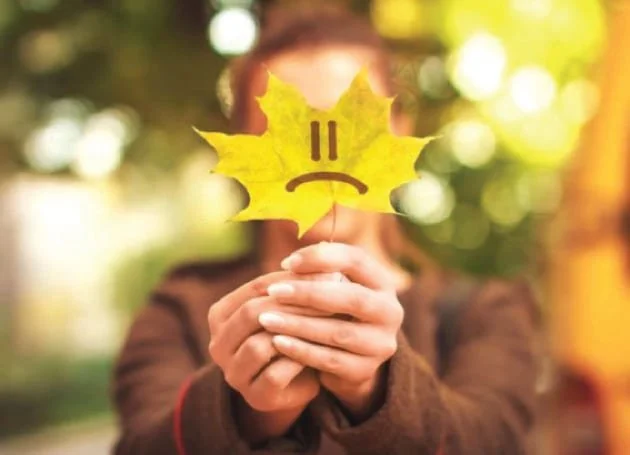
Seasonal changes can influence many aspects of daily life, including sleep, energy, motivation, and mood. For some individuals, however, these changes can become more significant and interfere with relationships, work, school, and overall quality of life. Seasonal Affective Disorder, commonly known as SAD, is a form of depression associated with a recurring seasonal pattern. Although it most often develops during the fall and winter months, a less common form can occur during spring and summer.
Recognizing the Symptoms of Seasonal Affective Disorder
Seasonal Affective Disorder involves more than simply feeling less energetic during darker or colder months. Individuals experiencing SAD may notice persistent sadness, hopelessness, irritability, loss of interest in previously enjoyable activities, difficulty concentrating, fatigue, and changes in sleep or appetite. Winter-pattern SAD may also involve oversleeping, increased appetite, carbohydrate cravings, weight gain, and withdrawing from social activities. Summer-pattern SAD can present differently, with symptoms such as insomnia, decreased appetite, restlessness, anxiety, or agitation.
Because these symptoms can overlap with other forms of depression and mental health conditions, professional assessment is important. Clinicians generally consider the timing, duration, severity, and recurrence of depressive symptoms when determining whether a seasonal pattern may be present. According to the National Institute of Mental Health, a diagnosis of SAD involves depressive episodes that occur during particular seasons for at least two consecutive years, although symptoms do not necessarily appear every year.
What Contributes to Seasonal Affective Disorder?
The precise causes of SAD are still being studied. Research suggests that changes in daylight exposure may affect biological processes involved in mood regulation and the sleep-wake cycle. Seasonal changes in serotonin and melatonin activity may contribute to changes in mood, sleep, and energy. Vitamin D levels may also play a role for some people, although research regarding vitamin D as a treatment for SAD has produced mixed findings.
Seasonal circumstances can also affect emotional well-being. Reduced daylight, changes in daily routines, decreased outdoor activity, and social withdrawal may contribute to a cycle in which low mood leads to reduced activity, which can further reinforce depressive symptoms.
Counseling and Psychotherapy for SAD
Mental health counseling can be an important component of treatment for individuals experiencing seasonal depression. Psychotherapy provides a supportive environment in which clients can explore changes in mood, identify patterns associated with seasonal transitions, and develop practical strategies for managing symptoms.
Cognitive Behavioral Therapy adapted specifically for Seasonal Affective Disorder, often referred to as CBT-SAD, focuses on identifying unhelpful thoughts and behaviors associated with seasonal changes. Treatment may also incorporate behavioral activation, which encourages individuals to intentionally schedule meaningful, enjoyable, and engaging activities rather than allowing depression to determine their level of activity. Research cited by the National Institute of Mental Health indicates that CBT-SAD and light therapy can both improve symptoms of SAD, with some evidence suggesting that the benefits of CBT may persist over longer periods.
Counseling may also address practical areas that influence emotional health, including sleep routines, social connection, stress management, coping skills, and maintaining meaningful activities throughout the year. A personalized therapeutic approach allows treatment to reflect each person's symptoms, circumstances, goals, and previous experiences with seasonal mood changes.
Light Therapy and Seasonal Depression
Light therapy is one of the established treatments for winter-pattern SAD. It is designed to compensate for the reduced exposure to natural daylight that occurs during the darker months. A commonly recommended approach involves using a specialized 10,000-lux light box for approximately 30 to 45 minutes in the morning, although treatment should be discussed with a healthcare professional, particularly for individuals with certain eye conditions or medications that increase sensitivity to light.
Light therapy is not the same as simply sitting near an ordinary household lamp. Proper equipment and appropriate use are important. Individuals considering light therapy should consult a qualified healthcare professional about whether it is appropriate for their circumstances.
Medication and Other Treatment Options
For some individuals, antidepressant medication may be incorporated into treatment. Certain antidepressants can be used to treat depressive symptoms associated with SAD, and extended-release bupropion has been approved by the U.S. Food and Drug Administration for prevention of recurrent seasonal depressive episodes in appropriate patients. Medication decisions should always be made with a qualified healthcare professional because antidepressants can have side effects and may interact with other medications or medical conditions.
Vitamin D supplementation may also be considered when deficiency is present, although evidence regarding its effectiveness specifically for SAD remains mixed. A healthcare professional can determine whether testing or supplementation is appropriate.
Developing a Personalized Treatment Plan
There is no single treatment approach that works for every person experiencing Seasonal Affective Disorder. Some individuals may benefit from psychotherapy alone, while others may benefit from a combination of counseling, light therapy, medication, and lifestyle adjustments. Treatment can also include preparing for predictable seasonal changes by identifying early warning signs and developing a plan before symptoms become severe.
Working with a mental health professional can help individuals better understand their emotional patterns and develop coping strategies that support long-term well-being. Seeking treatment early may also make it easier to manage symptoms before they significantly affect relationships, work, school, or daily functioning.
Seasonal Affective Disorder is a recognized form of depression, not simply a lack of motivation or a normal reaction to winter. Understanding the symptoms and seeking professional support can be an important step toward improving mood and maintaining a healthier quality of life throughout the year. If seasonal changes consistently bring significant changes in mood, sleep, energy, appetite, or daily functioning, speaking with a qualified mental health or healthcare professional is an appropriate place to begin.
If you or someone you know is looking for support reach out to AIM today.
If someone is experiencing thoughts of suicide or is in immediate emotional distress, urgent help should be sought. In the United States, individuals can call or text 988 to reach the Suicide & Crisis Lifeline. In an immediate life-threatening emergency, call 911.
